
The 10 Biggest Mistakes New Resellers Make
Starting a reselling business is exciting. You find a great deal at the thrift store, list it online, and make your first sale. It feels amazing.
But then reality sets in. Sales slow down. Inventory piles up. You start wondering what you're doing wrong.
The good news? Almost every reseller makes the same mistakes early on. If you can avoid these ten, you'll be way ahead of the game.
Related: How to Tell If Something Is Worth Reselling in Under 30 Seconds
1. Buying Too Much Inventory
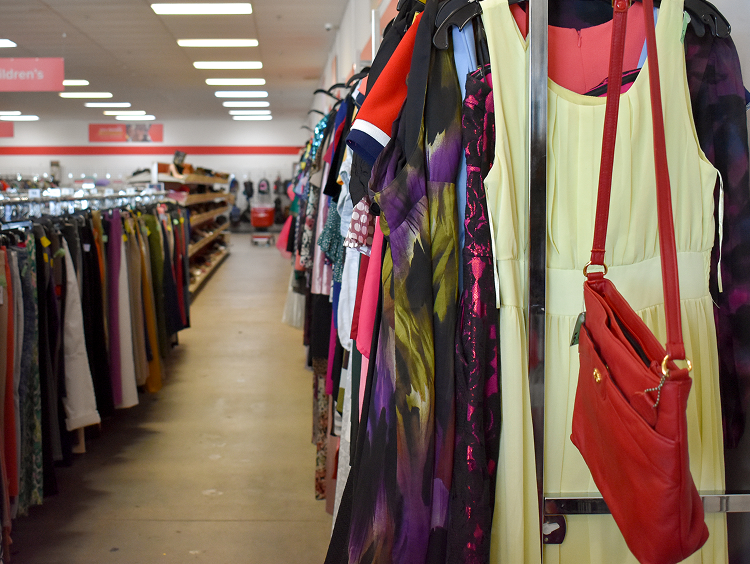
This is the number one mistake, and almost everyone makes it. You walk into Goodwill, everything is cheap, and you fill your cart with anything that looks decent.
The problem? Half of it will sit in your closet for months. Some of it will never sell.
Related: How to Photograph Thrift Store Items So They Sell Faster
The fix: Be picky. Really picky. Before you put something in your cart, ask yourself: "Do I know this brand sells? Can I get at least 3-4x what I'm paying?" If the answer is no, put it back. It's better to leave the store with 5 great items than 25 mediocre ones.
2. Not Researching Comps
"Comps" means comparable sold listings. It's how you find out what an item is actually worth — not what someone is asking, but what buyers are actually paying.
New resellers often skip this step and price based on gut feeling. That leads to overpricing (items sit forever) or underpricing (you leave money on the table).
The fix: Before you buy anything, check sold listings on eBay or Poshmark. It takes 30 seconds. Search the brand + item type, filter by "sold," and see what it went for recently. This one habit will save you hundreds of dollars in bad buys.
3. Taking Bad Photos
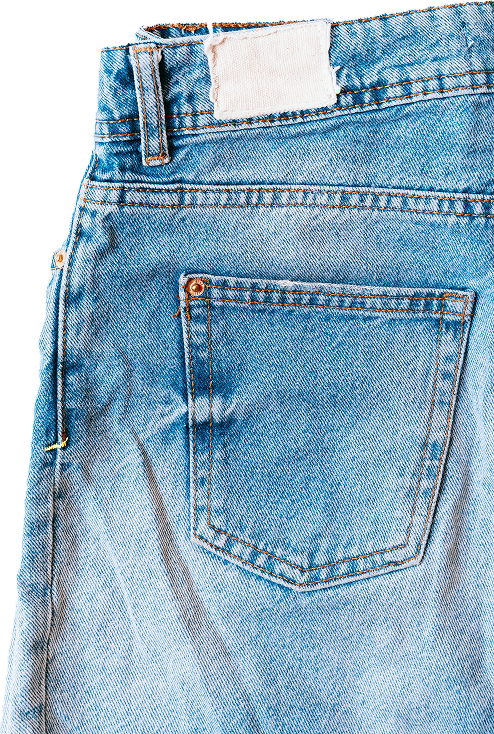
Your photos are your storefront. If they're dark, blurry, wrinkled, or cluttered, buyers scroll right past.
I've seen amazing designer pieces get zero likes because the photos were taken on a messy bed with bad lighting. Don't let that be you.
The fix: Use natural light. Hang items up or lay them flat on a clean background. Take at least 4-5 photos per item: front, back, close-up of the tag, any details or flaws. Your phone camera is fine — lighting and cleanliness matter way more than camera quality.
4. Overpricing Everything
It's tempting to price high and wait. But in reselling, time is money. An item sitting in your closet for 6 months is dead inventory. It's taking up space and earning you nothing.
The fix: Price competitively based on your comp research. If similar items are selling for $30-$40, price at $38 and be willing to accept offers around $30. The goal is sell-through, not holding out for a dream price. A fast nickel beats a slow dime every time.
5. Ignoring Shipping Costs
This one sneaks up on new resellers. You sell a heavy sweater for $25, then realize shipping costs $9, and the platform took a $5 fee. Suddenly your $25 sale is a $7 profit on something you paid $6 for.
The fix: Factor shipping into your pricing from the start. Know the weight of what you're selling. Heavy items like jeans, coats, and shoes cost more to ship. Either build shipping into your price or set a minimum profit threshold that accounts for shipping costs.
6. Only Listing on One Platform
If you're only selling on Poshmark, you're only reaching Poshmark buyers. That's a fraction of the total resale market. Different platforms attract different buyers.
- Poshmark buyers love brands and deals
- eBay buyers search for specific items and vintage pieces
- Depop buyers want trendy and unique styles
- Mercari buyers are bargain hunters across all categories
The fix: List on at least 2-3 platforms. Yes, it takes more time upfront. But it dramatically increases your chances of selling. And there are tools that make crosslisting fast (more on that at the end).

7. Not Tracking Expenses
A lot of new resellers think they're making money because sales are coming in. But when you don't track what you spent on inventory, supplies, shipping, and fees, you might actually be breaking even — or losing money.
The fix: Start a simple spreadsheet. Track every item: what you paid, what it sold for, platform fees, and shipping costs. You need to know your actual profit. This also matters for taxes if you're earning more than a few hundred dollars a month.
8. Giving Up Too Soon
Reselling has a learning curve. Your first month might be slow. Your second month might be frustrating. A lot of people quit right before things would have clicked.
It takes time to learn what sells, build up enough listings to get consistent sales, and develop your sourcing eye. Most successful resellers say it took 3-6 months before things really started rolling.
The fix: Commit to at least 3 months of consistent effort before you judge your results. Keep listing even when sales are slow. The algorithm on every platform rewards active sellers. The more you list, the more visibility you get.

9. Skipping Measurements
"Size M" means different things for different brands. A medium in Free People fits completely differently than a medium in Zara. Buyers know this. That's why they want measurements.
Skipping measurements leads to two problems: buyers don't purchase because they're unsure of fit, and buyers who do purchase open returns because the item doesn't fit as expected.
The fix: Measure every item. At minimum, include:
- Pit to pit (chest width)
- Length (shoulder to hem for tops, waist to hem for bottoms)
- Waist (for pants and skirts)
- Inseam (for pants)
- Sleeve length (for long sleeves)
It takes an extra 2 minutes per item. It prevents returns and builds buyer trust.
10. Writing Poor Descriptions
A description that just says "cute blue top" is not going to cut it. Buyers search using keywords. If those keywords aren't in your listing, they'll never find it.
The fix: Write descriptions that include:
- Brand name
- Size and measurements
- Color (use searchable terms — "navy blue" not "midnight ocean")
- Material/fabric
- Style details (V-neck, button-front, cropped, oversized)
- Condition (any flaws, or "excellent pre-owned condition")
- Keywords buyers might search for
Think about what you'd type into a search bar if you were looking for this exact item. Then put those words in your description.

The Good News
Every single one of these mistakes is fixable. And now that you know what they are, you can skip the painful learning curve that most resellers go through.
The resellers who succeed long-term are the ones who treat this like a real business — even if it's a small one. Track your numbers. Take good photos. Write strong descriptions. List on multiple platforms. Stay consistent.
And on that note — if crosslisting to multiple platforms feels overwhelming, check out List Perfectly. It lets you create one listing and push it to Poshmark, eBay, Mercari, Depop, and more. It's a huge time saver, especially as your inventory grows. Use code THRIFT30 to get a discount on your subscription.
You Might Also Like
- How to Tell If Something Is Worth Reselling in Under 30 Seconds
- How to Photograph Thrift Store Items So They Sell Faster
- How to Price Thrifted Items for Maximum Profit
- How to Crosspost Listings to Multiple Platforms (and Save Hours of Time)
You've got this. Learn from these mistakes, keep listing, and the sales will follow.